Home / The most durable reusable water bottles
The most durable reusable water bottles
The YETI Rambler is the most durable reusable water bottle here among insulated ones. In plastic, CleverHiker calls the Nalgene a champion of durability, and it is among the best reusable water bottles for anyone who wants light and tough.
See YETI Rambler 26 oz with Chug Cap on AmazonAmazon page See the bottles
Rechecked 10/28/2026 by Jonah Beckwith
Questions this page answers
Will it dent if I drop it?
Steel dents, plastic scratches. CleverHiker's drops left the YETI with paint scuffs, the Hydro Flask with a few dings and the Owala with minor dents. A silicone boot protects the base, where most falls land.
How this plays out across all 10Cheap fix: Silicone bottle boot
Will water taste metallic?
Durable plastic like Nalgene's holds no taste once it is washed, and clean steel holds none either. When an old bottle starts tasting off, replace the gasket before you replace the bottle.
How this plays out across all 10Cheap fix: Bottle cleaning tablets
Is it dishwasher safe?
The YETI and Hydro Flask bullets say dishwasher safe, and the Nalgene's do too. If a listing's spec table disagrees, follow the maker and keep lids on the top rack.
How this plays out across all 10Cheap fix: Bottle drying rack
The picks for this job
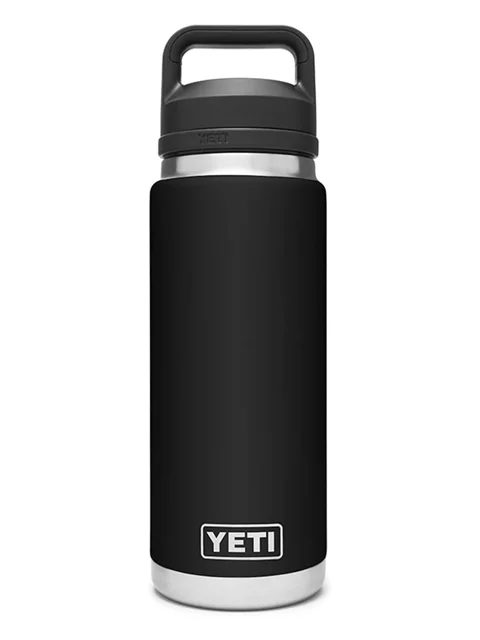
YETI Rambler 26 oz with Chug Cap
Editor tested by CleverHiker (36 oz)
CleverHiker's most durable insulated bottle, with only paint scuffs after drops.
Today's Amazon priceAmazon page
Most durable insulated bottle. Full review
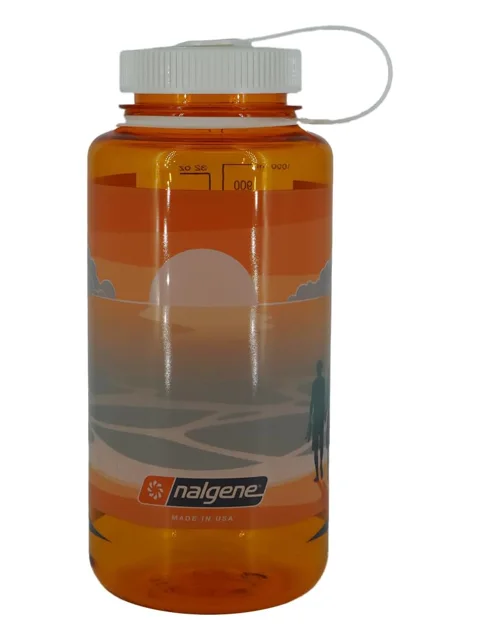
Nalgene Sustain 32 oz Wide Mouth
Editor tested by CleverHiker (Wide Mouth)
CleverHiker's most durable budget bottle, still going after years of scratches.
Today's Amazon priceAmazon page
Best non-insulated for hiking. Full review
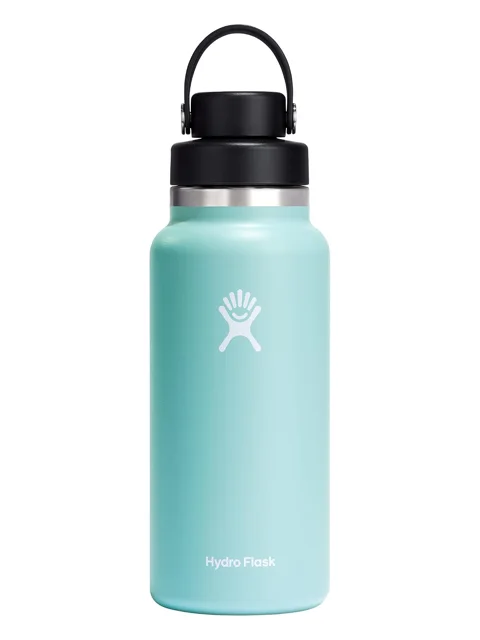
Hydro Flask Wide Mouth 32 oz
Editor tested by CleverHiker
Close second for durability and lighter than the YETI.
Today's Amazon priceAmazon page
Best insulated for most people. Full review
| Bottle | Size | Height / base | Empty weight | Price | Buy |
|---|---|---|---|---|---|
| YETI Rambler 26 oz | 26 oz | 10.5 / 3.5 in | 21.1 oz | Check price | Buy |
| Nalgene Sustain 32 oz | 32 oz | Not listed | 6.3 oz | Check price | Buy |
| Hydro Flask Wide Mouth | 32 oz | 10.25 / 3.5 in | 18.4 oz | Check price | Buy |
Listing data, 10/26 to 10/28/2026.
What to know
Why durability is the point
Reusable water bottles replace single-use plastic only if they last. A reusable water bottle that cracks in a month is just another bottle in the trash. Durability is the environmental argument, and the money argument too.
A worked example
A $40 insulated bottle that lasts five years costs about 2 cents a day, and a $19 plastic bottle over the same five years costs about 1 cent, so the gap between them comes down to whether you want ice or less weight rather than money. Lids are the running cost on both. Replacing a cracked cap once or twice over those years still leaves either bottle far cheaper than a habit of buying single-use water.
What breaks first
The lid, then the seal, then the paint. The steel or plastic body usually outlives all three. That is why a spare lid around $9 is a better buy than a new bottle when a cap cracks.
Steel versus plastic
Steel takes heavy knocks without cracking and can dent. Hard plastic like Nalgene's flexes and scratches and rarely breaks. In CleverHiker's tests metal bottles handled drops better overall, while its Nalgene showed only cosmetic scratches after years of use.
Coatings
Powder coat and YETI's DuraCoat protect the color. They chip on hard impacts while the steel below carries on. The long-term damage CleverHiker reports on its Hydro Flask is a worn paint job, which says more about looks than about the bottle.
Warranties
Hydro Flask lists a lifetime warranty. Owala and Takeya list limited lifetime warranties on their listings. Read the claim terms on the maker's site before you rely on one.
Seams and bases
A seam-free body has nothing to split. CleverHiker points to seam-free construction in the Hydro Flask and the Chute Mag Renew. The base is where steel bottles take most hits, and on Stanley's bottles it is where the vacuum seal sits, so a boot there is cheap insurance.
Plastic that lasts
Plastic varies a lot. CleverHiker found the Nalgene, the Igneous NOBO and the Cnoc ThruBottle hardwearing for plastic, while soft bottles trade toughness for packability. If you want plastic that will be around for years, a hard Nalgene is the one to buy.
Durability on a budget
The Nalgene is CleverHiker's most durable budget bottle. For insulated toughness, the cheapest YETI 26 oz colors were about $8 under the usual price in our scan, which makes the toughest steel bottle less of a splurge.
Make it last
Keep it out of the freezer, hand wash the coating if the listing is unsure, swap gaskets when they stop sitting flat, and give it a boot if it lives on concrete floors.
More questions
What is the most durable reusable water bottle?
Among insulated bottles, the YETI Rambler, per CleverHiker's drop results. Among plastic ones, the Nalgene Wide Mouth.
Do dents ruin insulation?
Only deep ones that push the walls together. Cosmetic dents leave the vacuum intact.
How long should a reusable bottle last?
Years. Budget for new lids and seals along the way, since the body rarely fails first.
Can I recycle an old steel bottle?
Steel is widely recycled. Take off the plastic lid and check your local program's rules.
Are lifetime warranties real?
Hydro Flask lists a lifetime warranty. Owala and Takeya each list a limited lifetime warranty, and the terms live on each maker's site.
What about paint chips?
Cosmetic. CleverHiker's YETI showed paint scuffs and nothing else after drops on rock.
Is a boot worth it on a tough bottle?
Yes, if the bottle lives on concrete or a truck bed. Most drops land on the base, and a silicone boot there costs far less than a new bottle. Match the boot to the exact model and size, since boots are cut for one base width.